How a great-performing tech department operates
Facilitated workshops that focus on delivering AI capabilities and leveraging AI in IT

About StarCIO Workshops
Bring teams from across the organization to learn, collaborate, question, challenge, and reach consensus.
Formats: Workshops can be conducted in half-day sessions for small groups, one or two days for larger ones, or scheduled quarterly. They are conducted on-premises, virtually, or in a hybrid format.
World-Class IT in the GenAI Era
Objectives include: Creating or updating IT’s digital operating model, and evolving product management, agile, DevOps, data/AI practices, ITSM, and PMOs to accelerate AI delivery.
Audience: C‑level leaders and senior business, technology, digital, data, and risk leaders who lead departments and teams.
Why workshops: Accelerate alignment and decision-making for new AI investments, prepare for board meetings, create or iterate on strategy, improve governance, and streamline AI experiments.
Workshop outcomes: StarCIO’s World-Class IT in the GenAI Era workshops help a leadership team align on updating to a pragmatic digital operating model, define clear guardrails, and establish a responsible path to value. Participants will leave with shared priorities, decision frameworks, and practical next steps tailored to your organization’s AI ambitions.

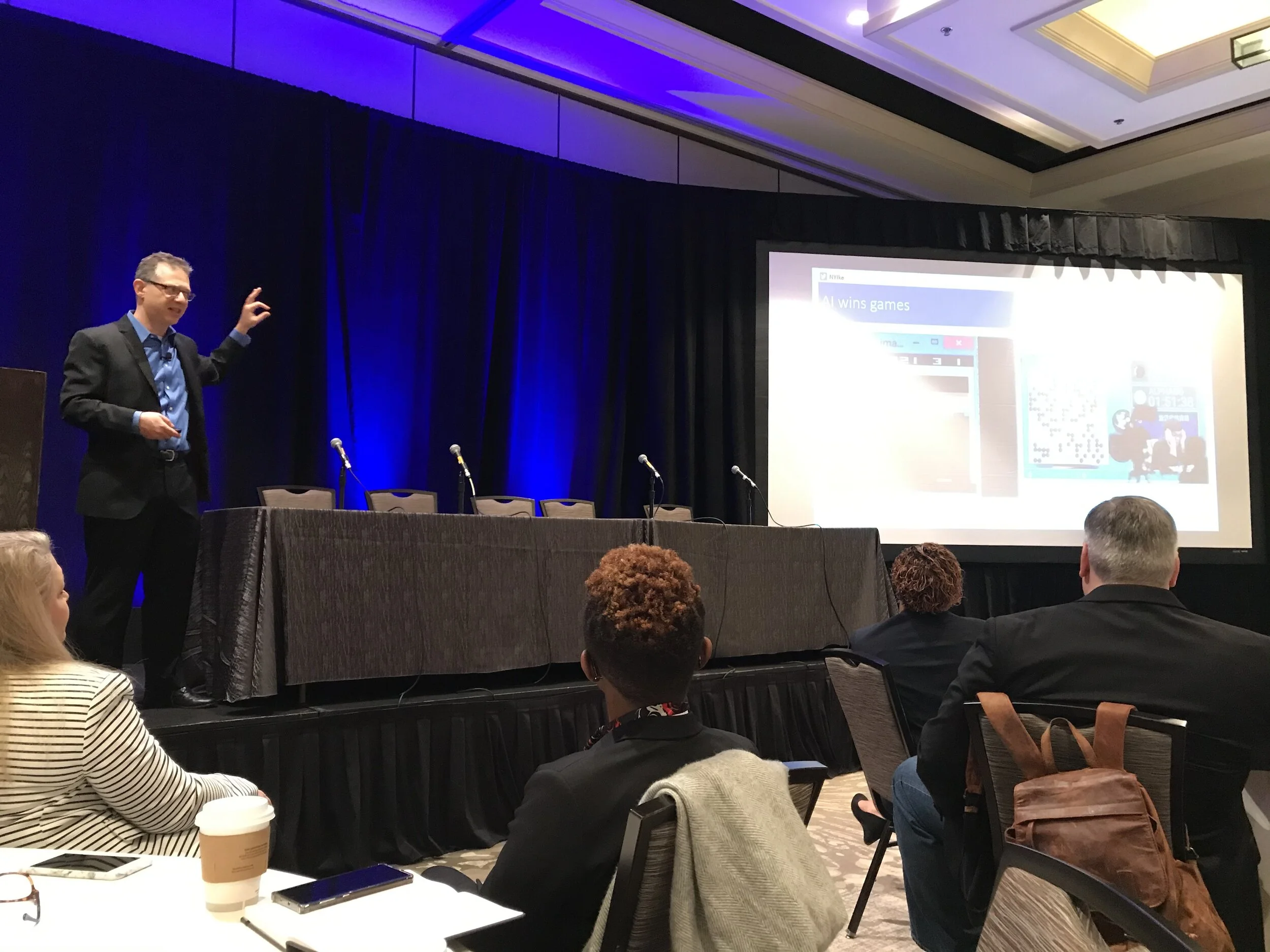
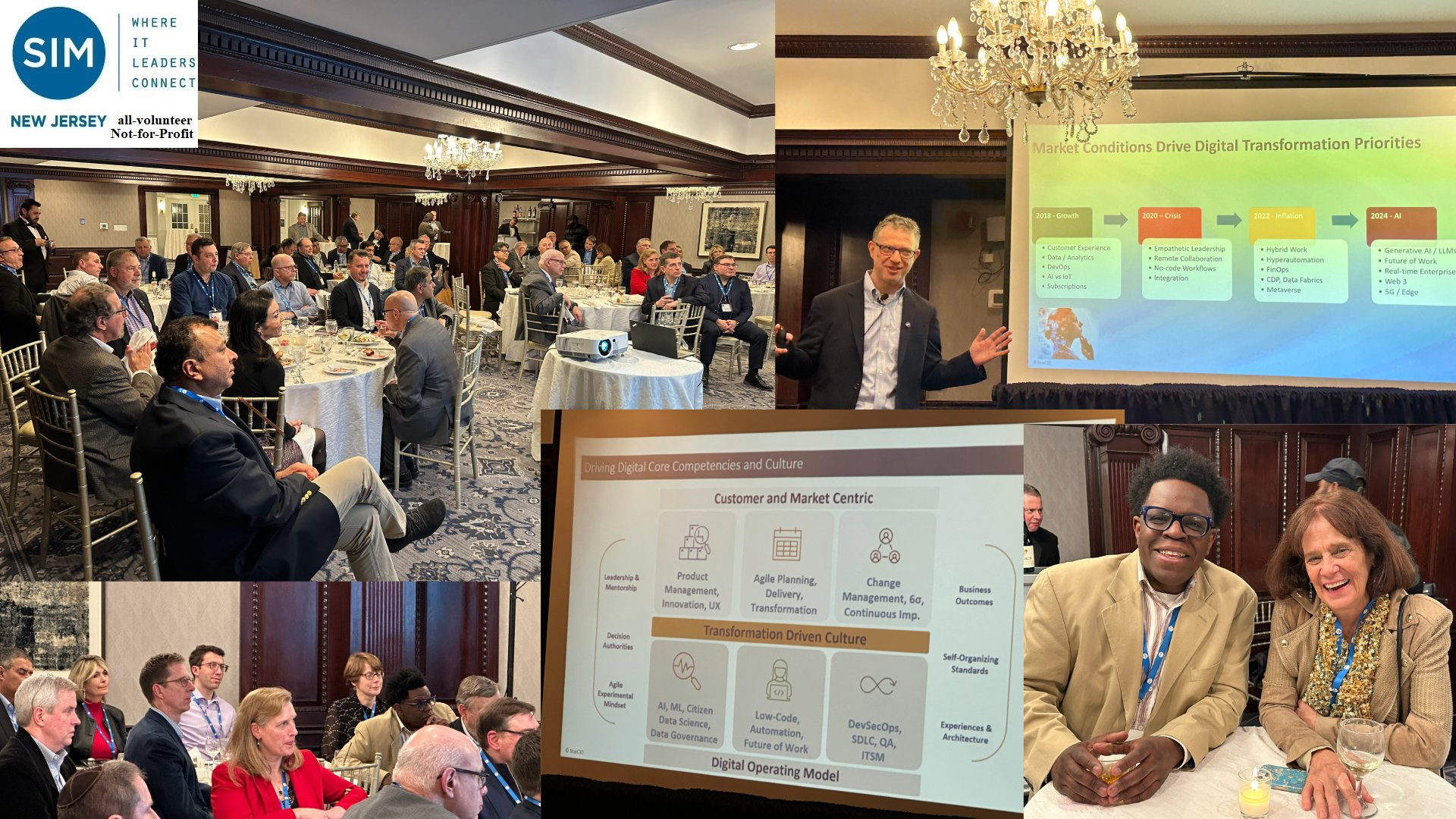
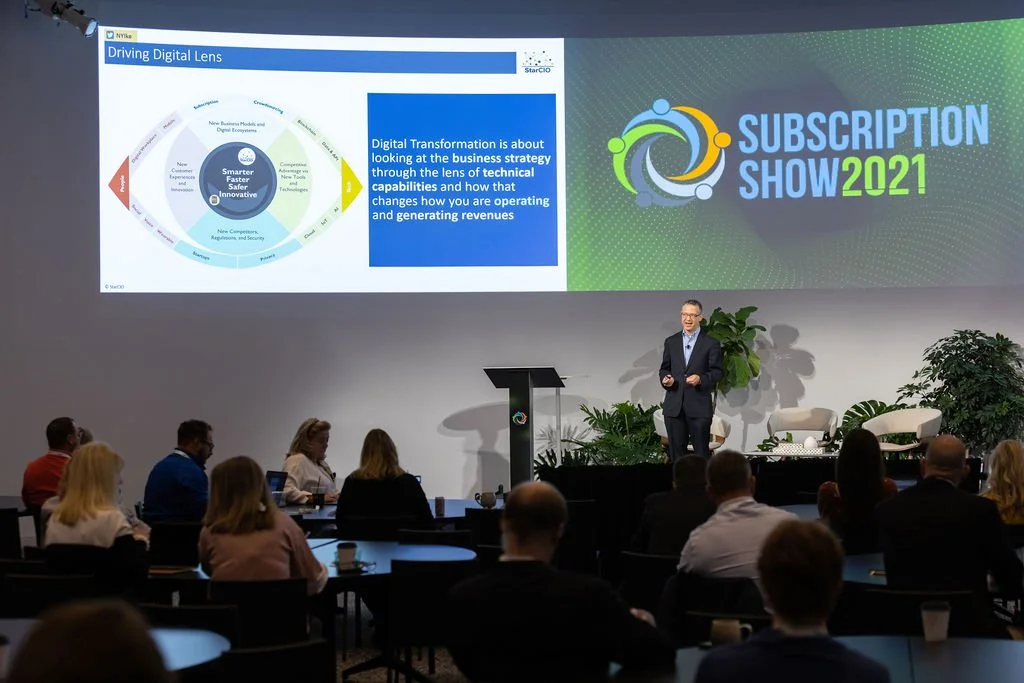
Workshop facilitator: All StarCIO workshops are facilitated by Isaac Sacolick.
20-year startup CTO and transformational CIO
Grounded in StarCIO ‘s 200+ digital and AI transformation best practices
Bestselling author on digital transformation
1200+ articles on StarCIO, CIO.com, and InfoWorld
Trusted by transformation leaders, CXOs, and boards to navigate AI, data, and governance decisions
Learn more about Isaac Sacolick
Testimonial
“StarCIO was an invaluable thought partner, and their expertise made a huge contribution to the progress we have made and the successes we have started to stack up.”
Sample StarCIO Advisories for World-Class IT workshops
Typical one-day workshops address 3–5 Advisories, while two-day events can cover 5–8, depending on the desired depth of discussion.
Defining and updating vision statements for AI, covering strategy and select initiatives.
Driving digital transformation with AI, and seeking opportunities beyond efficiencies or productivity improvements, including revenue, product development, and customer experience.
Innovation responsibilities. Establish roles to lead agile innovation initiatives, including product manager/owner, delivery leader, team leads, program managers, scrum masters, and business analysts.
Developing self-organizing standards. How IT teams promote self-organizing practices, capture best practices, and institute standards that teams want to leverage.
Creating a product management function for projecting business value from AI investments and managing the P/L, strategies, and roadmaps.
Stakeholder and customer engagement. Develop the techniques to engage stakeholders on needs versus wants, forced-rank priorities, and non-negotiable requirements.
Evaluating opportunities and capturing business value. Prioritizing experiments, POCs, and learning activities.
Product and digital architecture. Define a top-down view of the organization’s products, services, and platforms. Assign team responsibilities and communicate a release strategy.
Agile prioritization. StarCIO’s highly popular practices for prioritizing planning, releases, POCs, and learning activities. Also covers intake, ideation, and brainstorming.
Agile planning. Evolve from quarterly planning or just-in-time planning to a rigorous continuous planning and estimating program that’s aligned with agile and delivers value.
Revisiting Agile for AI initiatives, with a focus on improving speed to delivery, quality, and feedback while driving efficiencies in agile/scrum using AI capabilities.
Agile data practices. Align data science, data governance, and dataops initiatives to agile methodologies - ensuring that business value, compliance, and resiliency are delivered synergistically.
Deliver reliable roadmaps. Establish DevOps non-negotiables, release criteria, and agile planning so that leaders can communicate a roadmap with confidence and deliver to it.
Defining release readiness criteria for when AI capabilities are production-ready, including data, testing, user acceptance, and security factors.
Establishing change management programs in AI initiatives that grow adoption, address detractors, and capture feedback.
Communicate with excellence. Covers how Digital Trailblazers provide regular communications on innovation initiatives and how IT leaders provide status around critical incidents.
Redesigning the organization, including rewriting departmental missions, roles/responsibilities, career paths, and learning objectives for areas most impacted by AI.
Selecting KPIs/OKRs for the genAI era to focus teams on what matters around growth, efficiencies, customer needs, compliance, and other strategic drivers.
Agile technology selection. Establish a rapid, agile approach for connecting problems and opportunities to technology solutions, then evaluating them efficiently.
Elevating AgenticOps, or how operational teams in IT, security, and risk management monitor AI in production and manage incidents.
2026 Workshop Series
World-class IT in the GenAI Era - Unifies IT teams on AI’s impact on innovation, Agile, DevOps, and IT Ops. Align on the IT Org structure and revisit the digital operating model to deliver innovations fast, efficiently, and with operational resiliency.
AI Strategy and Governance - Bluesky thinking the organization’s objectives and governance for using AI to deliver short-term ROI and longer-term growth.
Transforming to a Leaner, Faster Agile - What happens when you downsize, and your “scaled” agile no longer works? Learn StarCIO’s Agile, product management, continuous planning, and change management for a leaner and faster delivery model.
10 Steps for Technology and AI Selections - A workshop to recast the technology research, POC, and procurement process. Align architecture, procurement, and delivery functions to a faster selection process, more efficient production rollouts, and smarter change management practices.
Department and Team Building
Digital leadership and transformation—A leadership workshop on defining strategy, developing missions, and aligning mindsets to drive transformation.
Executing Digital Strategy with Product Management - A workshop that helps product teams align product roadmaps with digital strategy, define "MVPs" and create a methodology on working practice with customers, stakeholders and end users.
Digital Planning -> Execution: Product, Agile, & Data - Focuses on aligning business, technology, digital, and marketing organizations on defining agile culture, developing roadmaps, and establishing planning practices.
Design Thinking - Brainstorming solutions, persona development, journey mapping, and other techniques. Incorporate design thinking practices into product management, agile, data science, and a culture of innovation.
Change management - Turn a weakness into a strength by educating digital transformation leaders on bringing change management practices into their innovation practices.
Driving the Data-Driven Organization - A workshop for business, data, IT leaders, and top data practitioners on the tools and practices to become more data-driven. Establish "data governance" and define an "agile" practice for asking questions and answering them with data.
Agile Architecture - Redefine the roles and responsibilities of architecture teams. Apply agile methodologies to technology selections and POCs. Define standards working with agile development teams
Agile for Stakeholders - Helps stakeholders to agile teams understand their role in representing customers, defining requirements, and inputting on priorities. Initial steps for non-IT to apply agile methodologies in other departments.
DevOps and IT Transformation- A technical workshop for developers and engineers on establishing both an "agile" and "stable" mindset and operating platform. Develop a consensus on tools and roadmap for CI/CD, IaC, monitoring and other DevOps practices.
Schedule a 30‑minute scoping call
We’ll review your AI vision, key risks, and what success looks like
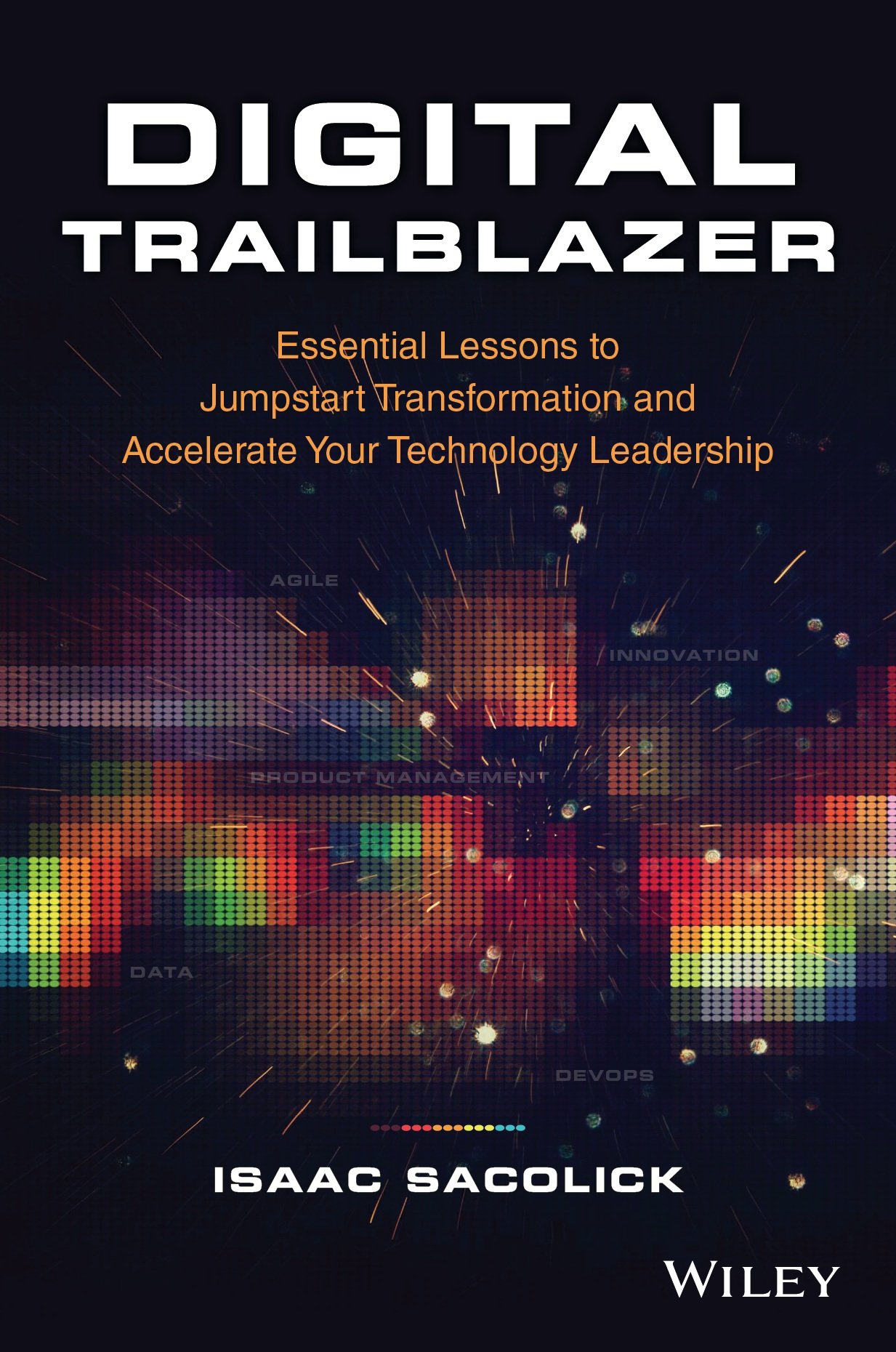
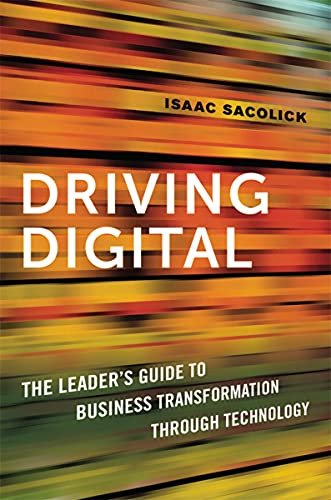
Books by Isaac Sacolick
Videos
AI Articles by Isaac Sacolick
Seize Real Advantages: 7 Urgent Reasons to Revisit Agile for the AI Era
Why your chaotic AI experiments aren’t producing business value
Modernizing How to Make Smarter Technology and AI Investments
Change Management: 10+ Ways to Ease Adoption in Digital Transformation